
Blog
Common Wear Issues in Garage Cabinets and How to Prevent Them
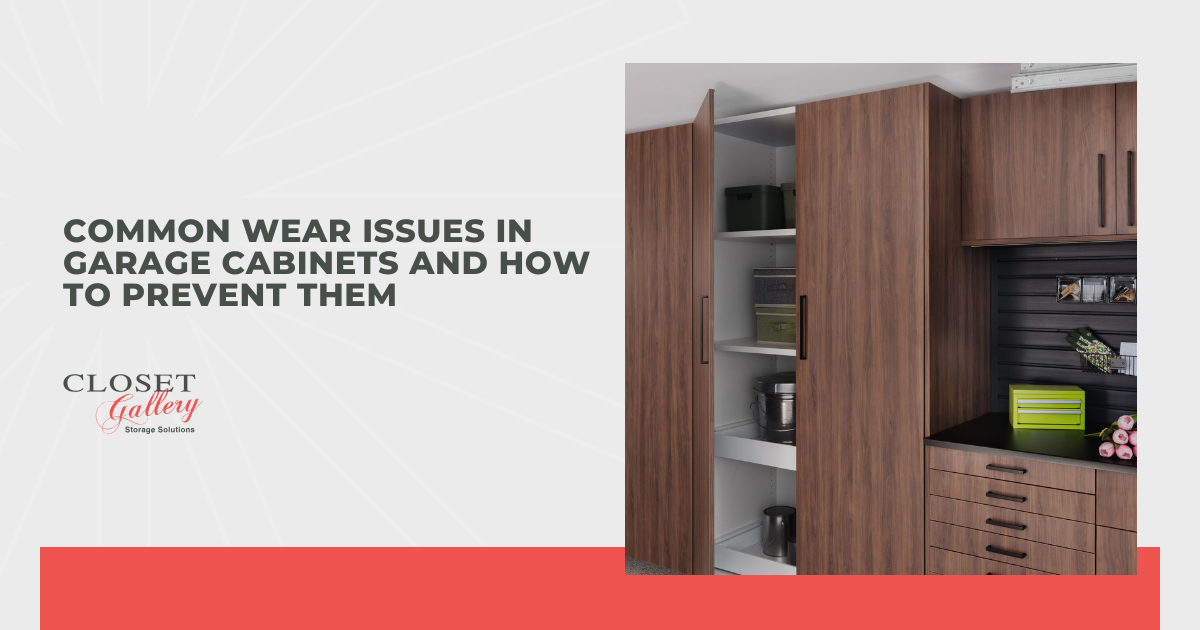
Your garage is one of the hardest-working spaces in your home, and your garage cabinets feel every bit of it. Unlike the cabinets in your kitchen or laundry room, these have to handle extreme temperature swings, moisture buildup, heavy gear, and the occasional chemical spill. It's a tough environment, and it takes a real toll on cabinetry that isn't built or maintained for it. Most of this wear is completely preventable once you know what you're up against.
Over the years of working with homeowners, I've seen the same issues come up again and again. A cabinet that looks fine on install day can start showing real problems within a few years if the materials aren't suited to the space. Understanding why these issues happen puts you in a much better position to choose the right cabinets upfront and care for them properly over time. What you know early makes all the difference in protecting your investment.
Here's a quick look at the wear issues we'll be covering:
- Door hardware wear from heavy and frequent use
- Material deterioration from humidity and condensation
- Floor-level damage from water intrusion
- Finish breakdown from chemical splashes
- Shelf sagging from overloading and poor weight distribution
Each of these issues is more common than you'd expect, and each one has practical solutions you can act on. Keep reading to learn how to spot them early and stop them before they get expensive.
Door Hardware Wear From Heavy and Frequent Use
Cabinet doors in the garage don't get the same gentle treatment as the ones in your kitchen. They're opened and shut multiple times a day, often while your hands are full, and they frequently carry more weight than standard residential hardware is designed to handle. Over time, hinges start to pull away from the cabinet frame, and latches and locks wear down or loosen. Left unchecked, a sagging door can begin to stress the entire cabinet structure.
The fix starts with choosing the right hardware from the beginning. I always recommend load-rated hinges specifically designed for heavier cabinet doors, especially if you're planning to store tools, automotive supplies, or anything dense inside. For latches and locks, heavy-duty options are available at most hardware stores and are well worth the upgrade over standard builder-grade catches. Checking all your door hardware a couple of times a year and tightening loose screws before they become bigger problems is a simple habit that really pays off.
Lubrication is another easy step that most homeowners skip entirely. A small amount of silicone-based lubricant applied to hinges, latches, and lock mechanisms once a year keeps everything moving smoothly and cuts down on friction-related wear. If you notice a door starting to sag or a latch that no longer catches cleanly, address it right away rather than waiting for the damage to compound. Small adjustments early on are always easier and cheaper than full hardware replacements later.
Material Deterioration From Humidity and Condensation
Garages aren't climate-controlled spaces, and that creates a cycle of moisture buildup that most standard cabinet materials aren't built to handle. When warm, humid air meets cooler cabinet surfaces, condensation forms and moisture works its way into the material over time. Metal drawer slides start to corrode and stick. On MDF or particleboard cabinets, you'll often see the laminate or veneer beginning to bubble and peel away from the surface.
Wood-based cabinet doors and drawers are also vulnerable to seasonal movement. They swell in summer as humidity rises and shrink in winter when the air dries out, leading to doors and drawers that stick in warm months and develop gaps in colder ones. In my experience, this is one of the leading reasons homeowners end up replacing cabinets far sooner than they planned. It's a frustrating cycle, and it tends to get progressively worse with each passing year if the root cause isn't addressed.
The most effective prevention is choosing materials that don't absorb moisture in the first place. Solid plywood, steel cabinets, and epoxy-coated hardware all perform significantly better in humid garage environments. If you already have wood-based cabinets, keeping the garage well-ventilated, running a dehumidifier during humid months, and swapping out corroded drawer slides for stainless or zinc-coated alternatives can slow down further damage considerably.
Floor-Level Damage From Water Intrusion
This issue is different from everyday humidity because it involves actual surface water getting into your garage. Heavy rain, hose runoff, snowmelt, or a car dripping after a winter drive can push water along your concrete floor and directly into the base of your cabinets. Unlike condensation, which settles in gradually, this kind of intrusion can saturate cabinet bases quickly, leading to rot, mold, and structural failure at the floor level. It often goes unnoticed until significant damage has already been done.
Sealing your concrete floor is one of the best first steps you can take to reduce water migration across the surface. A quality epoxy or penetrating concrete sealer creates a barrier that slows moisture movement considerably. Pairing that with good garage door weatherstripping reduces how much water gets in during heavy rain in the first place. Together, these two steps address the problem at the source rather than just managing the damage after the fact.
Raised cabinet legs are another practical and affordable solution. They lift the cabinet base off the floor entirely, allowing water to pass underneath without soaking into the material. When shopping for new garage cabinets, look for options with adjustable feet or waterproof base construction. If your current cabinets sit flat on the floor and you've had water intrusion before, raising them even a few inches can make a meaningful difference in how long they hold up.
Finish Breakdown From Chemical Splashes
Garages are home to a long list of harsh substances: motor oil, brake fluid, paint thinner, degreasers, and heavy-duty cleaning solvents. These chemicals don't just stain surfaces; they actively break down standard paint and finish coatings over time, leaving the material underneath exposed and vulnerable. A single spill that isn't wiped up quickly can etch into a painted surface and start a deterioration process that's hard to reverse. It's one of those issues that sneaks up gradually and then suddenly looks very bad all at once.
Choosing a chemical-resistant finish from the start is your best line of defense. Powder-coated finishes and polyurea coatings are both significantly more resistant to chemical damage than standard paint, and they hold up far better in an active garage environment. They're also easier to clean, which matters when you're dealing with greasy or solvent-heavy spills on a regular basis. If you're in the market for new cabinets, finish quality is one of the most important factors to ask about.
For cabinets you already have, wiping up spills immediately and avoiding abrasive cleaners are the best ways to preserve whatever finish is there. Keeping a roll of paper towels and a mild cleaner within easy reach in the garage makes it much more likely you'll catch spills before they have time to sit. If the finish on your current cabinets is already showing significant wear, a professional refinish with a more durable coating is worth considering before the underlying material gets compromised.
Shelf Sagging From Overloading and Poor Weight Distribution
Shelves are often the first part of a garage cabinet to show stress, and it's usually because they're asked to carry more than they're designed to handle. Every shelf has a weight limit, and exceeding it, especially with the load concentrated in the center, causes the shelf to bow permanently over time. Once a shelf develops a sag, it doesn't bounce back, and it puts increasing stress on the cabinet sides and the support pins holding it in place. The problem tends to build gradually, which makes it easy to dismiss until a shelf fails completely.
Start by knowing your shelves' weight limits and actually sticking to them. Distributing heavier items toward the sides and back rather than piling everything in the center reduces the bowing effect significantly. I've noticed that most homeowners load shelves the way they load a grocery bag: whatever fits, goes, with no thought given to weight limits. Being mindful of how you arrange items can extend the life of your shelves considerably.
Thicker shelf material, generally 3/4 inch or more, handles heavy loads much better than thinner options. If you're choosing new cabinets, ask specifically about shelf thickness and weight ratings, especially if you plan to store power tools, automotive parts, or bulk supplies. For shelves that carry a lot of weight consistently, adding a center support bracket is a simple and affordable fix that significantly reduces bowing over time. It's a small upgrade with a very noticeable impact on long-term performance.
Conclusion
Your garage cabinets are a real investment in your home's organization and functionality, and with the right setup and a little ongoing attention, they can hold up well for many years. The issues covered here are some of the most common we see in the field, and in most cases, they're very manageable once you know what to look for. If you're not sure how your current cabinets are holding up, a quick walk-through inspection of your hardware, drawer slides, shelves, and base contact points can tell you a lot. A few small fixes at the right time can add years to your cabinets' life.








Closet Gallery
2222 Francisco Drive Suite 220-110
El Dorado Hills, CA 95762
Call Us